
Boston's Lab Vacancy Crisis: We're Asking the Wrong Question
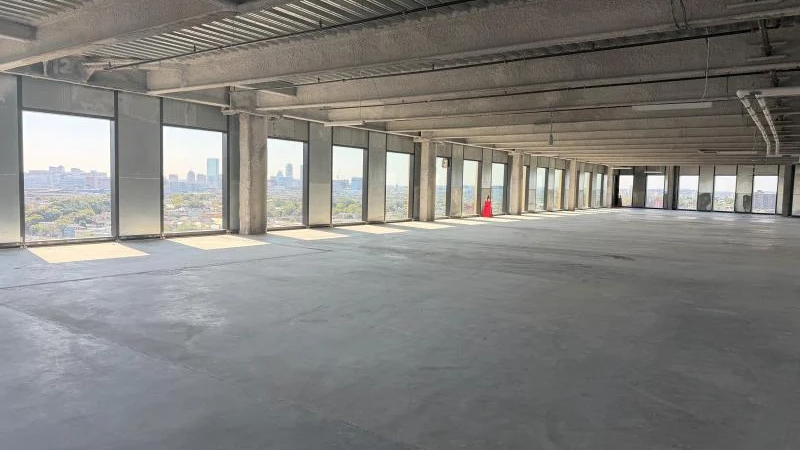
(Empty shell space in 74M, which was completed in 2024 (Fierce Biotech))
By Philip Borden | CEO of Labshares
Yet another article dropped this week on Boston's staggering lab vacancies, this time from Fierce Biotech. It's a look at the extraordinary overbuilding that happened during the biotech boom of 2019-2023, and the brutal consequences for today's life science real estate industry.
But I think it misses at least half the story.
Nearly all the discussion about Boston's lab vacancies focuses on the supply side: how much space we built, why we overbuilt, and when the market will recover.
What about demand?
The economics of drug discovery are changing dramatically. Outsourcing, AI and automation, China's rise as a global biotech powerhouse, and increasing capital discipline are reshaping how companies conduct R&D, and how much physical infrastructure they actually need.
Yet the life science real estate industry continues to assume that when biotech recovers, demand for traditional laboratory space will recover right alongside it.
I think that's an enormous mistake. Biotech could experience another extraordinary boom without a corresponding recovery in demand for traditional lab space.
We're already seeing this at Labshares. Emerging biotechs aren't abandoning laboratory research. They're looking for smaller, more flexible, and more capital-efficient ways to conduct it. Our first phase at 66 Galen Street in Watertown reached full occupancy in four months, even as traditional lab space across Boston sat empty.
I wrote about some of these changes recently for MassBio in Biotech's Cathedral Problem.
The biotech industry is changing. The real estate industry needs to stop planning for the last boom and build what today's biotechs actually need.
Related or similar articles

Biotech's Cathedral Problem: Why Emerging Companies Must Rethink Lab Infrastructure
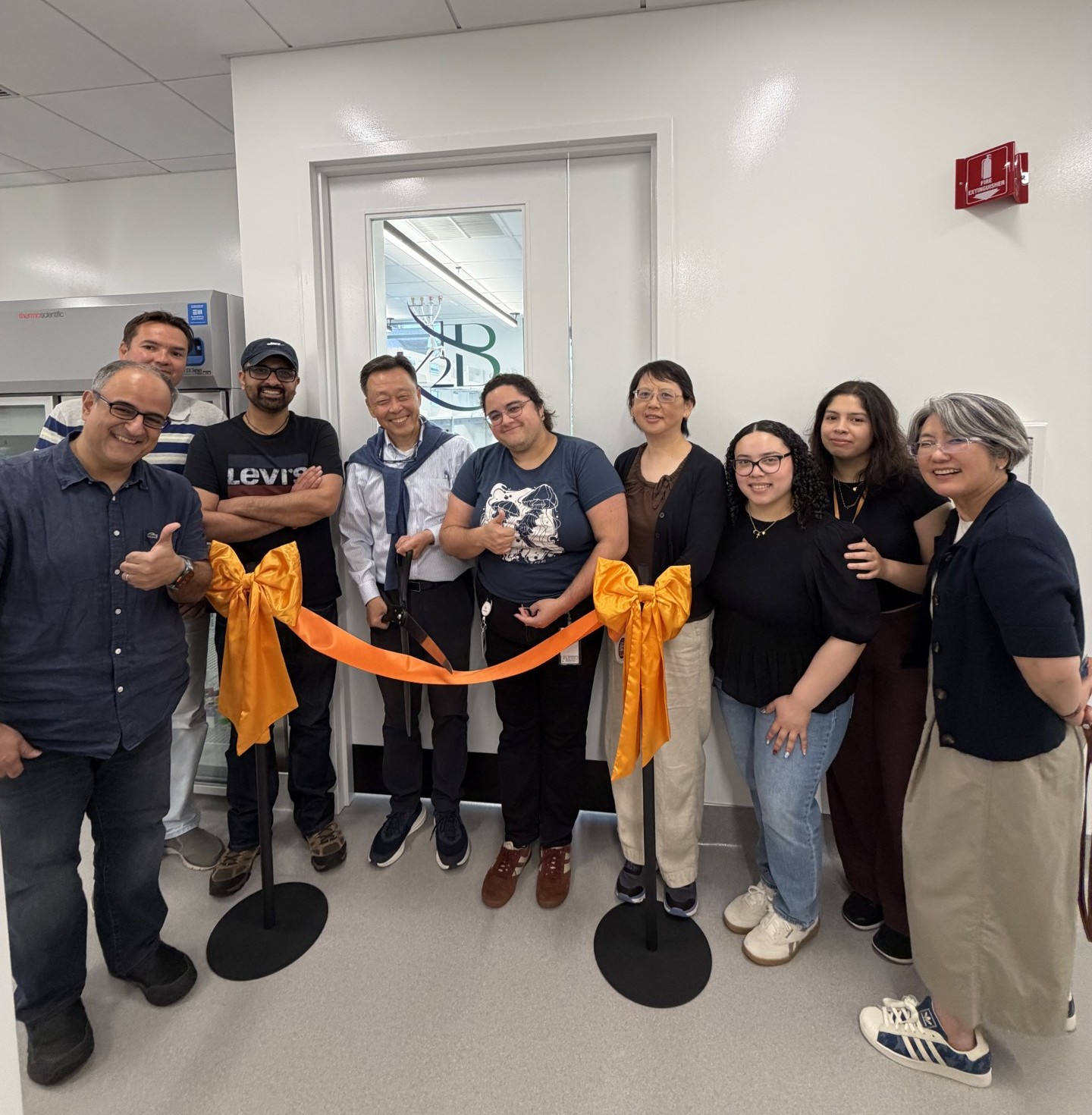
K2B Therapeutics: Journey from Incubator to Labshares
